


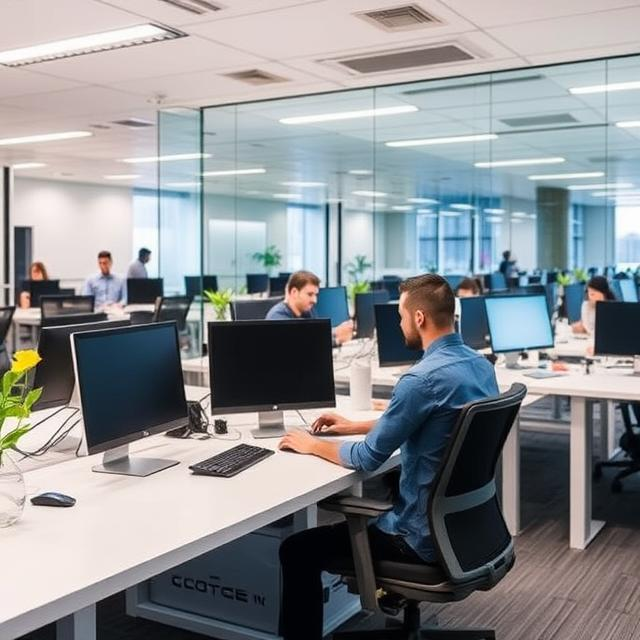
In the ever-evolving landscape of business and technology, companies are continually seeking ways to improve their operations, enhance employee productivity, and stay competitive. One key initiative driving this transformation is workplace modernization. This concept revolves around upgrading both the physical and technological aspects of the workplace to foster a more collaborative, efficient, and flexible environment. In this blog, we’ll explore what workplace modernization is, why it’s so important, and how it benefits organizations, employees, and customers alike.
What is Workplace Modernization?
Workplace modernization refers to the process of transforming the traditional office environment into a space that encourages collaboration, innovation, and flexibility while utilizing the latest technology and design strategies. This involves not only upgrading office infrastructure but also leveraging digital tools to streamline workflows, enhance communication, and promote a healthier, more productive work culture.
As technology continues to advance, companies are increasingly realizing that a modernized workplace is crucial for attracting and retaining top talent, improving operational efficiency, and ensuring long-term growth. The shift towards workplace modernization also reflects changing work trends, such as the rise of remote work, hybrid work models, and a growing emphasis on employee well-being.
Key Components of Workplace Modernization
To fully understand the impact of workplace modernization, it’s important to break down the various elements that make up a modernized workplace. These components include:
1. Technology Integration
One of the most significant aspects of workplace modernization is the integration of advanced technology. From cloud computing and AI-powered tools to real-time communication platforms, these innovations enable seamless collaboration and greater efficiency.
-
Cloud-Based Tools: By adopting cloud-based tools, companies allow employees to access files and collaborate from anywhere. Tools like Microsoft 365, Google Workspace, and project management software like Asana or Trello streamline workflows and ensure everyone is on the same page.
-
Artificial Intelligence: AI is increasingly being used to automate repetitive tasks, enabling employees to focus on more strategic work. From chatbots that assist with customer service to AI-powered data analysis, the use of artificial intelligence is a key aspect of workplace modernization.
-
Communication Tools: Video conferencing tools like Zoom, Microsoft Teams, and Slack are integral to workplace modernization. These platforms allow teams to communicate easily, regardless of location, fostering greater collaboration and agility.
2. Flexible and Hybrid Work Environments
Gone are the days of the rigid 9-to-5 office schedule. Workplace modernization emphasizes flexibility in how, where, and when employees work. This shift is particularly noticeable with the rise of remote and hybrid work models.
-
Remote Work Solutions: The COVID-19 pandemic forced businesses to adapt to remote work quickly. However, as part of workplace modernization, many companies have embraced remote work as a permanent option. With remote work, employees can work from home or any location, offering greater flexibility and work-life balance.
-
Hybrid Work Models: A hybrid work model allows employees to split their time between working from the office and working remotely. By providing employees with more flexibility, businesses can attract a broader talent pool and improve employee satisfaction.
-
Hot-desking and Co-working Spaces: Many modern workplaces no longer have assigned desks for employees. Instead, workplace modernization often includes hot-desking, where employees can choose their workspace each day. This encourages collaboration and reduces the need for excessive office space.
3. Physical Office Space Redesign
While technology plays a central role in workplace modernization, the physical office environment also plays an important part. Modern offices are being designed to foster collaboration, creativity, and comfort.
-
Open Floor Plans: Many businesses are moving away from the traditional cubicle-style office layout in favor of open floor plans. This encourages communication and collaboration while creating a more dynamic work environment.
-
Ergonomic Furniture: In a modernized workplace, employee well-being is prioritized. Ergonomic furniture, such as adjustable chairs and desks, promotes better posture and reduces discomfort during long hours of sitting.
-
Collaborative Spaces: Modern offices are designed with collaborative spaces in mind, offering areas where employees can brainstorm, meet informally, or work in teams. These spaces often include comfortable seating, whiteboards, and technology that supports group work.
-
Wellness Areas: Many companies are also incorporating wellness areas, like meditation rooms or fitness centers, into their offices. These spaces help employees manage stress and promote physical and mental well-being.
4. Employee Well-being and Engagement
As part of workplace modernization, there’s a growing emphasis on employee well-being. A healthy and engaged workforce is essential for productivity and long-term success.
-
Work-Life Balance: Flexible work schedules and remote work options allow employees to manage their personal and professional lives more effectively. Offering work-life balance is key to retaining talent and boosting employee satisfaction.
-
Mental Health Support: Modern workplaces recognize the importance of mental health. Many companies offer resources such as counseling services, stress management programs, and mental health days to support employees’ emotional well-being.
-
Professional Development: A modernized workplace encourages continuous learning and growth. Offering training programs, mentorship, and opportunities for career advancement are key aspects of workplace modernization.
The Benefits of Workplace Modernization
Now that we’ve explored the components of workplace modernization, let’s discuss the many benefits this transformation offers to both businesses and employees.
1. Increased Productivity
With the right tools, environment, and flexibility, workplace modernization can significantly increase employee productivity. Cloud-based solutions, for example, make it easier for employees to access documents, collaborate in real-time, and manage projects efficiently. AI-powered tools also automate mundane tasks, allowing employees to focus on higher-value work.
2. Improved Employee Engagement and Retention
Modernizing the workplace can have a direct impact on employee satisfaction and engagement. Offering flexible work options, ergonomic furniture, and wellness initiatives shows employees that their well-being is a priority. This leads to greater job satisfaction and increases the likelihood of retaining top talent.
3. Better Collaboration and Communication
The technology and design elements of workplace modernization create a more connected work environment. Teams can communicate easily using digital tools, whether in the office or working remotely. This improved communication fosters collaboration, encourages idea-sharing, and speeds up decision-making processes.
4. Cost Efficiency
While workplace modernization may require an upfront investment, it can lead to long-term cost savings. For example, businesses that implement hybrid work models can reduce the amount of office space needed, lowering overhead costs related to rent, utilities, and office maintenance. Additionally, digital tools help automate workflows, reducing the time and resources spent on manual tasks.
5. Enhanced Innovation
When employees have access to the latest tools and technology, they are better equipped to innovate and problem-solve. Workplace modernization encourages a culture of innovation by providing employees with the resources they need to think creatively and explore new ideas.
6. Attracting Top Talent
Today’s workforce values flexibility, work-life balance, and a positive work environment. By modernizing your workplace, you demonstrate that your company is forward-thinking and committed to providing employees with a fulfilling and supportive work experience. This makes it easier to attract top talent, especially among millennials and Gen Z workers, who prioritize these factors.
The Role of Leadership in Workplace Modernization
Successful workplace modernization requires strong leadership. Business leaders play a pivotal role in driving change and ensuring the successful implementation of new technologies, policies, and office designs.
1. Setting the Vision
Leaders must communicate a clear vision for the future of the workplace. This includes outlining the goals of workplace modernization, how it will benefit employees, and how it aligns with the company’s overall objectives.
2. Investing in Technology and Infrastructure
Modernizing the workplace requires financial investment, especially in technology and infrastructure. Leaders need to allocate resources wisely to ensure that the right tools and equipment are in place to support a modern work environment.
3. Fostering a Culture of Change
Workplace modernization is not just about physical upgrades; it’s also about cultural change. Leaders must promote a mindset that embraces flexibility, continuous learning, and innovation. This involves empowering employees to embrace new tools and ways of working.
4. Gathering Feedback and Adapting
The process of workplace modernization is ongoing. Leaders should regularly gather feedback from employees to understand what’s working, what’s not, and where improvements can be made. This helps create a more agile workplace that adapts to the changing needs of the workforce.
Conclusion
In today’s rapidly changing business environment, workplace modernization is no longer a luxury but a necessity. By integrating the latest technologies, fostering flexible work models, and focusing on employee well-being, companies can create a work environment that promotes productivity, collaboration, and innovation. The benefits of workplace modernization extend beyond the company’s bottom line; they also enhance the employee experience, making the workplace a more engaging and fulfilling place to work.
By embracing workplace modernization, businesses position themselves for future success, attract top talent, and build a culture that thrives in an increasingly digital world. Whether you’re looking to improve efficiency, boost employee morale, or foster a more innovative environment, workplace modernization is the key to creating a future-proof organization.