


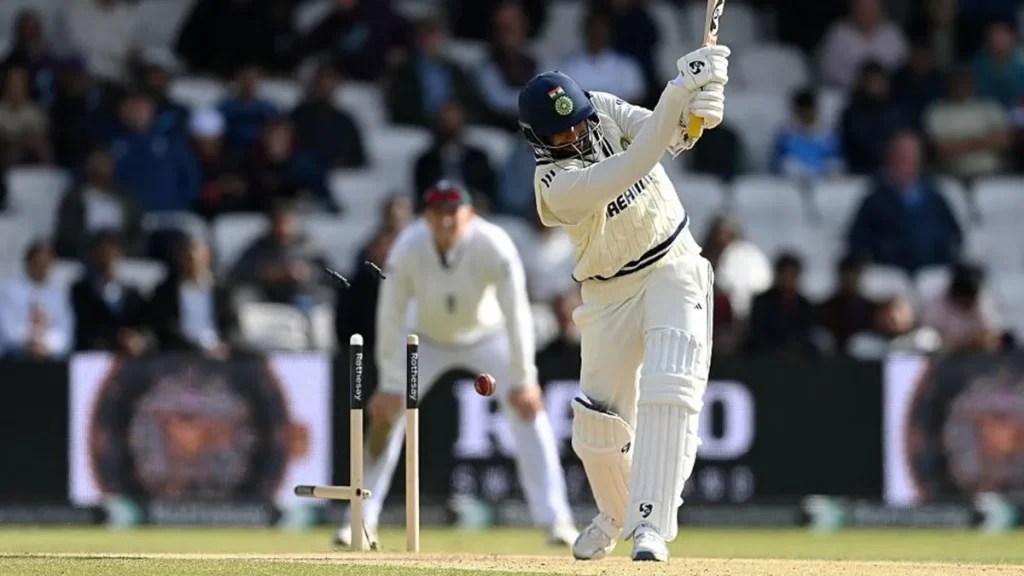
Tailender Batting Skills have evolved dramatically in modern cricket. Once, the lower order was seen as a weak link, expected to merely survive a few balls while the recognized batsmen did the heavy lifting. But in today’s game, that mindset has changed completely. Tailenders are no longer passengers — they are now crucial contributors capable of shifting momentum or even snatching victory from the jaws of defeat.
Think of moments like Jimmy Anderson and Monty Panesar’s heroic stand at Cardiff in 2009 or Pat Cummins’ calm chase in the 2023 Ashes. These moments highlight how composure, decision-making, and technical awareness at the tail end can define the outcome of a match. Handling pressure is not just about skill; it’s about mindset, communication, and the ability to thrive when the stakes are highest.
In this article, we’ll dive deep into how Tailender Batting Skills can be developed and how lower-order batsmen can build the mental toughness needed to perform in crunch situations.
The Evolving Role of Tailenders in Modern Cricket
Gone are the days when tailenders were considered “walking wickets.” The modern game, with its increased emphasis on every run, demands that every player — from number one to number eleven — contributes with the bat.
Teams now invest heavily in training lower-order batsmen, ensuring they can rotate strike, defend confidently, and even attack when needed. The boundaries between specialist batsmen and bowlers are blurring, and this evolution has made cricket more competitive and unpredictable.
Tailender Batting Skills now encompass much more than survival. They involve understanding match situations, reading bowlers, and forming partnerships that frustrate the opposition. Lower-order players who can absorb pressure and adapt tactically are often the unsung heroes of modern cricket.
The Psychology of Batting Under Pressure
Handling pressure at the tail end requires mental resilience as much as technical proficiency. Batting with nine wickets down and a big chase ahead is an entirely different world compared to walking in at 100 for 2.
Tailenders must overcome self-doubt and focus on clarity — knowing their role, whether it’s blocking to save a match or counterattacking to chase a target. Maintaining composure when every ball could be your last is a test of character, not just skill.
The best Tailender Batting Skills come from mastering mental balance. Players like Bhuvneshwar Kumar and Nathan Lyon are proof that calm minds under pressure can extend innings far longer than opponents expect.
Building Defensive Confidence
Every great tailender starts by learning to defend. It’s about technique, but also about belief. Confidence in blocking out a few overs can slowly build trust — both from teammates and oneself.
Tailenders often struggle against short-pitched bowling or movement off the pitch, but a solid defensive stance and clear head can neutralize that threat. Drills focusing on watching the ball closely, soft hands while defending, and getting behind the line of the ball are crucial for consistency.
Once a batter realizes they can survive, the next step in Tailender Batting Skills is learning how to turn defense into opportunity — pushing singles, rotating strike, and unsettling bowlers.
Communication and Partnership Awareness
Tailenders are rarely alone in a crisis. The key lies in building effective partnerships with set batsmen or fellow bowlers. Clear communication — whether to decide when to take singles or when to shield the strike — can make all the difference.
Partnership awareness means knowing one’s limitations and playing to strengths. A tailender batting with an established player must trust their partner’s judgment, follow calls decisively, and keep calm under tight run chases.
This dynamic, seen in countless match-saving efforts, underscores how vital Tailender Batting Skills are not just technically, but strategically. Great partnerships at the end are built on trust and understanding, not just talent.
Shot Selection Under Pressure
Knowing what shot to play — and when — is at the heart of pressure handling. Tailenders who can recognize deliveries to defend, leave, or attack are much harder to dismiss.
Shot selection under pressure comes from preparation and self-awareness. Knowing one’s strengths, such as the ability to nudge into gaps or play the straight drive, allows a player to stay within their comfort zone even in tense moments.
Players like Mitchell Starc or Stuart Broad, known for their lower-order runs, often succeed because they pick their moments. They blend courage with calculation — the essence of refined Tailender Batting Skills.
Reading the Game Situation
A tailender’s best weapon isn’t just technique — it’s awareness. Understanding whether to play for time, chase runs, or build a small partnership requires situational intelligence.
When saving a Test match, blocking for time becomes a tactical battle. In limited-overs cricket, however, risk-taking might be the only option. Adapting to these needs in real time separates good tailenders from great ones.
Being alert to field placements, bowler fatigue, and game conditions allows tailenders to make smarter choices. This situational adaptability defines mature Tailender Batting Skills.
Training for Match Pressure
No amount of theory can replace practice under simulated pressure. Coaches now recreate match scenarios during training — asking bowlers to bat in high-stakes drills or defend a set number of balls.
Fitness, focus, and routine all contribute to success under pressure. Simple habits like controlled breathing before each ball or rehearsing defensive movements can anchor the mind during tense phases.
Such training not only enhances performance but also instills belief — the foundation of all Tailender Batting Skills when the spotlight shines brightest.
Balancing Aggression and Restraint
The line between courage and recklessness is thin. Lower-order batsmen often fall into the trap of trying to hit their way out of trouble. However, composure under fire requires judgment — knowing when to attack and when to absorb pressure.
Smart aggression, like targeting specific bowlers or capitalizing on loose deliveries, can relieve pressure and shift momentum. Conversely, restraint during tough overs can frustrate the opposition and break their rhythm.
The greatest Tailender Batting Skills involve walking that fine line — being brave enough to score, yet wise enough to survive.
Learning from the Legends
History is full of tailenders who have written unforgettable chapters with the bat. Michael Kasprowicz and Brett Lee’s near-heist at Edgbaston, Anderson’s marathon defense in India, or even Shaun Pollock’s counterattacks for South Africa — all are reminders that heart often beats technique.
These players embody what true Tailender Batting Skills mean: determination, discipline, and fearlessness. They prove that lower-order batting isn’t about luck — it’s about grit, mindset, and belief in one’s role.
The Role of Coaching and Mentorship
Modern teams invest significantly in specialized coaching for lower-order batting. Mentors like Rahul Dravid or Andy Flower emphasize the mental and technical aspects tailored to tailenders.
By focusing on handling pressure, reading situations, and developing a few reliable scoring options, coaches transform bowlers into dependable finishers. Mentorship instills not just skill but confidence — the driving force of Tailender Batting Skills in competitive cricket.
Physical Conditioning and Endurance
Long stays at the crease can drain energy quickly, especially for bowlers unaccustomed to extended batting sessions. Physical fitness thus becomes crucial.
Tailenders must train for stamina, coordination, and concentration. Endurance helps sustain focus through long spells of pressure. Core strength exercises, hand-eye coordination drills, and balance training enhance overall stability — vital elements for steady Tailender Batting Skills.
Mindset Shifts in Modern Teams
Cricket’s evolution has made team management rethink the value of the tail. Every run matters — whether it’s the final few overs in a chase or the last stand in a Test.
This shift means tailenders are now held to higher expectations. They’re trained not just as bowlers but as “complete cricketers.” The rise of players like Pat Cummins and Axar Patel proves that lower-order batting can be a decisive weapon.
The mindset now is simple: if you can hold a bat, you can change a game. That’s the essence of modern Tailender Batting Skills — preparation, pride, and performance under pressure.
Read also:
timberwolves vs golden state warriors stats
denver nuggets vs okc thunder match player stats
dallas mavericks vs new orleans pelicans match player stats
denver nuggets vs minnesota timberwolves match player stats
sri lanka national cricket team vs afghanistan national cricket team match scorecard
zimbabwe national cricket team vs bangladesh national cricket team match scorecard
new zealand national cricket team vs west indies cricket team match scorecard