


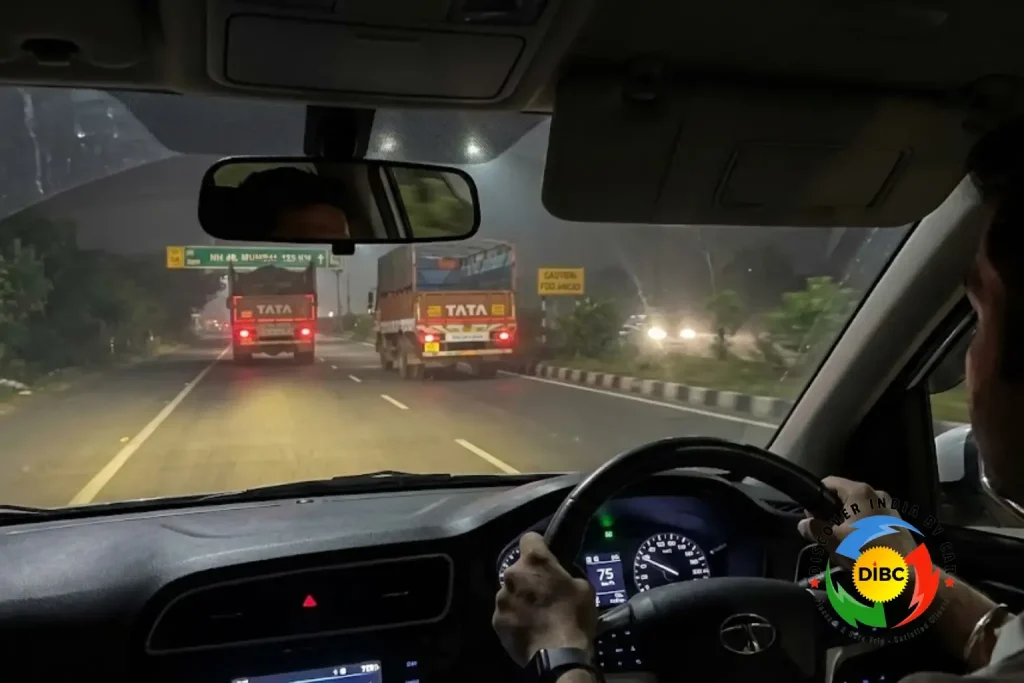
Night highway driving often feels peaceful at first. The roads are quieter, the air is cooler, and the rush of daytime traffic fades away. Many drivers choose nighttime for long-distance travel because it promises smoother movement and fewer interruptions. Yet once the city lights disappear and darkness stretches endlessly ahead, the experience can quickly turn demanding.
Driving on highways after sunset requires a different mindset, sharper awareness, and deeper respect for the road. Visibility drops, reaction time matters more, and small mistakes can carry bigger consequences. Understanding these realities makes nighttime travel safer and far more comfortable.
Why Night Driving Feels So Different on Highways
Highways are designed for speed, and that design becomes more intense after dark. At night, the lack of visual cues changes how the brain processes distance and motion. Road markings, curves, and even other vehicles appear differently under artificial light.
Many drivers underestimate how darkness affects perception. Depth judgment weakens, and bright headlights from oncoming traffic can briefly blind the eyes. This is why Night highway driving often feels more tiring than daytime travel, even when traffic is lighter.
The Psychology of Driving After Sunset
Driving at night challenges both the body and the mind. Human biology is naturally tuned for rest after dark. Alertness dips, reaction time slows, and concentration requires more effort.
A driver may feel fine at the start of a trip but experience sudden fatigue after an hour or two. This mental shift is subtle but dangerous if ignored. Awareness of these changes is the first step toward safer nighttime journeys.
Visibility Challenges on Dark Highways
Visibility is the most obvious challenge during night travel. Headlights illuminate only a limited distance ahead, leaving less time to react to obstacles.
Animals crossing highways, stalled vehicles without proper lighting, or unexpected roadwork can appear suddenly. Even reflective signs may not be visible until the last moment if lighting conditions are poor.
This reduced visual range makes Night highway driving heavily dependent on anticipation rather than reaction.
Managing Headlight Glare and Eye Strain
Oncoming headlights are one of the biggest discomforts at night. High beams, misaligned lights, and reflective surfaces can cause temporary blindness.
Experienced drivers learn to look slightly away from direct glare, using road markings as visual guides. Clean windshields and properly adjusted mirrors also reduce light scatter.
Eye strain builds quietly over time, making regular breaks essential for maintaining focus.
Speed Perception and Distance Judgment
At night, speed often feels slower than it actually is. With fewer visual references, drivers may unintentionally accelerate beyond safe limits.
Distance judgment also changes. A vehicle ahead may appear farther away than it really is, leading to reduced following distance. These perception gaps increase risk on high-speed highways.
Maintaining consistent speed discipline becomes especially important during Night highway driving.
Fatigue and Microsleep Risks
Fatigue is not just about feeling sleepy. Brief lapses of attention, known as microsleeps, can occur without warning.
A few seconds of lost focus at highway speeds can translate into hundreds of meters traveled blindly. This risk increases dramatically between midnight and early morning hours.
Recognizing early signs of fatigue such as frequent blinking, wandering thoughts, or missed road signs is critical.
Preparing the Vehicle for Night Travel
Vehicle condition plays a major role in nighttime safety. Headlights must be properly aligned and bright enough to illuminate the road effectively.
Brake lights, indicators, and reflectors should function perfectly. Tires should be in good condition, as night driving reduces reaction time during emergencies.
A well-maintained vehicle supports confident Night highway driving by reducing unexpected complications.
Importance of Clean Glass and Mirrors
Dust, smudges, and scratches on windshields scatter light and worsen glare. At night, this effect becomes much more noticeable.
Regularly cleaning all glass surfaces improves clarity. Side mirrors and rearview mirrors should also be adjusted to minimize reflections from vehicles behind.
Clear vision reduces strain and enhances overall road awareness.
Lane Discipline After Dark
Lane markings are your best friends at night. Staying centered within the lane helps maintain spatial awareness when surroundings fade into darkness.
Sudden lane changes should be avoided unless absolutely necessary. Other drivers may not see your movement immediately, especially on poorly lit stretches.
Smooth, predictable driving builds safety and trust among all highway users.
Dealing with Heavy Vehicles at Night
Trucks and buses dominate highways after dark. Their size, blind spots, and extended stopping distances demand extra caution.
Passing heavy vehicles at night requires patience and clear judgment. Their headlights and reflective surfaces can distort perception, making distance harder to judge.
Maintaining safe spacing is essential during Night highway driving, especially around large vehicles.
Weather Conditions and Night Visibility
Fog, rain, or dust significantly reduce nighttime visibility. Headlights can reflect off moisture or particles, creating a wall of light.
In such conditions, reducing speed becomes more important than reaching the destination quickly. Using fog lights appropriately and avoiding high beams can improve visibility.
Understanding how weather amplifies nighttime challenges builds smarter driving habits.
Navigation and Route Familiarity
Knowing the route reduces stress at night. Unfamiliar highways increase cognitive load as the driver processes signs, exits, and surroundings.
GPS systems help, but overreliance can be risky if signals fail or instructions lag. Studying the route beforehand creates confidence and reduces last-minute decisions.
Prepared navigation supports smoother Night highway driving experiences.
Staying Alert Through Long Night Drives
Staying alert requires active engagement. Soft background music, proper cabin ventilation, and hydration help maintain focus.
Regular breaks are not signs of weakness but signs of smart driving. Stretching, walking briefly, or even short naps can reset alertness levels.
Ignoring fatigue often leads to risky shortcuts that compromise safety.
Role of Passenger Awareness
When traveling with others, passengers can support the driver by staying awake and engaged. Casual conversation can help maintain alertness.
Passengers should also respect the driver’s need for silence during complex driving moments. Mutual awareness strengthens overall safety.
Shared responsibility matters during Night highway driving, especially on long routes.
Emergency Preparedness at Night
Breakdowns feel more stressful at night. Limited visibility and fewer passing vehicles increase vulnerability.
Carrying basic emergency supplies such as reflective triangles, torches, and charged phones provides peace of mind. Knowing how to signal for help safely is essential.
Preparation reduces panic and ensures quicker, safer responses.
Wildlife and Unexpected Road Hazards
Animals are more active at night, especially near forests or rural highways. Sudden crossings are common and often unpredictable.
Scanning the edges of the road for movement helps detect hazards early. Reducing speed in wildlife-prone areas gives more reaction time.
This awareness is a key part of responsible Night highway driving.
Mental Focus and Emotional State
Driving while stressed, angry, or distracted becomes more dangerous after dark. Emotional states affect decision-making and reaction speed.
Calm, focused driving reduces errors. If emotions feel overwhelming, stopping briefly to reset can prevent risky behavior.
Mental readiness is just as important as technical skill.
Technology That Supports Night Driving
Modern vehicles offer features like adaptive headlights, night vision assistance, and driver alert systems. These technologies enhance visibility and awareness.
However, technology should support, not replace, attentive driving. Overconfidence in systems can lead to complacency.
Balanced use of technology strengthens Night highway driving safety.
Experience Builds Confidence Over Time
Confidence at night grows with experience. Each safe journey builds familiarity with how darkness changes road dynamics.
New drivers should gradually increase night driving exposure instead of tackling long highway trips immediately.
Experience, combined with caution, creates steady improvement.
Respecting Speed Limits and Road Rules
Speed limits exist for a reason, especially at night. Reduced visibility and slower reaction times increase stopping distances.
Ignoring rules may feel tempting on empty roads, but consequences are often severe. Discipline keeps journeys predictable and controlled.
Responsible behavior defines safe Night highway driving.
Cultural and Regional Driving Patterns
Night driving conditions vary by region. Some highways are well-lit, while others rely entirely on vehicle headlights.
Understanding local driving habits, road quality, and traffic patterns helps set realistic expectations.
Adapting to regional differences improves confidence and safety.
Learning From Real-Life Experiences
Many drivers recall moments when night driving demanded sudden decisions. A stray animal, an unlit vehicle, or unexpected fog can test reflexes.
These experiences reinforce the importance of preparedness and patience. Learning from them builds wisdom rather than fear.
Real stories add depth to understanding Night highway driving challenges.
Building Long-Term Night Driving Skills
Night driving is not about bravery but about skill. Mastery comes from preparation, awareness, and respect for limitations.
Drivers who approach night travel thoughtfully enjoy smoother journeys and fewer surprises.
Developing these habits supports long-term safety and confidence on highways after dark.
Read also :-