
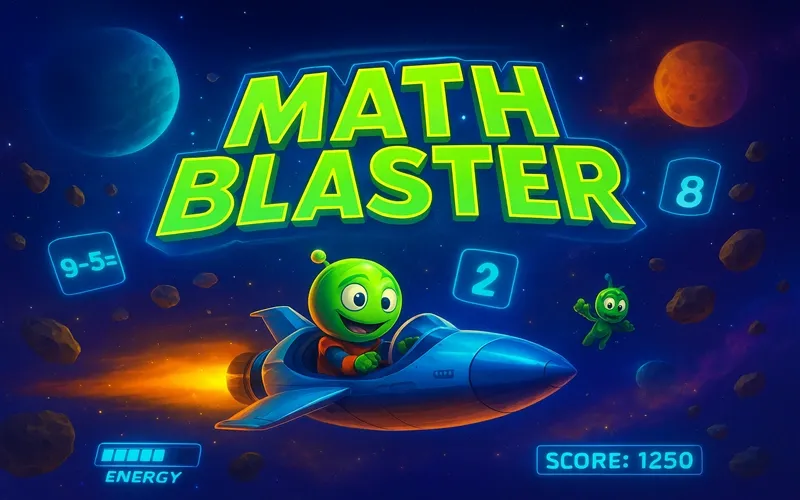
Games can fit into daily life in many different ways because people play for entertainment, competition, relaxation, curiosity, and social connection. agimkitjoin.com can be useful for readers exploring games, casual activities, multiplayer experiences, strategy challenges, online entertainment, and practical gaming ideas. One person may enjoy a short puzzle session before sleeping, while another may spend an evening building a virtual world or competing against experienced players. Games can also suit different moods because some experiences demand concentration while others allow people to play casually without much pressure. Mobile devices have made short gaming sessions especially convenient because players can begin a game almost anywhere without needing a large setup. Computers and consoles still offer larger environments, detailed controls, and deeper systems for people who prefer longer sessions. Online games add another layer because human opponents and teammates can make familiar challenges feel different each time. Some games reward quick reactions, while others rely heavily on memory, planning, creativity, observation, or communication. Choosing the right experience can make a bigger difference than simply selecting a popular title. Players usually get more enjoyment when the game matches their available time, preferred challenge, device capabilities, and personal interests. Gaming does not need to become a serious competition every time because the main purpose can simply be having a good experience.
Different Genres Suit Different Moods
Game genres give players a simple way to understand what kind of experience they can expect before spending time learning a new title. Puzzle games usually reward observation, logic, memory, and patient experimentation, while action games often require quick reactions and continuous movement. Strategy games depend more on planning, resource management, positioning, and understanding future consequences before making decisions. Simulation games let players manage systems such as cities, businesses, vehicles, farms, or virtual communities through repeated choices. Adventure games can focus more on exploration, discovery, objectives, characters, and interesting environments rather than constant competition. Racing games provide speed and control challenges where timing and route knowledge can matter considerably. Sports games use familiar rules while adding digital controls, team management, tactics, and competitive features. Role-playing games can provide longer progression through characters, equipment, abilities, quests, and exploration. Card and board games often rely on probability, memory, prediction, and careful decision-making instead of fast physical reactions. Cooperative games add teamwork because success depends on several participants supporting one objective. Modern games frequently combine several genres, so players can find puzzle mechanics inside adventures or strategy systems inside role-playing experiences. Knowing these broad differences can make game selection easier when there are thousands of options available. The best genre is usually the one that matches what the player wants to do at that particular moment.
Easy Learning Improves First Sessions
The first few minutes of a game can strongly influence whether a new player decides to continue or move on to something else. Basic controls, objectives, scoring rules, and important mechanics should become understandable without requiring players to study complicated instructions for a long time. Tutorials can help when they introduce features gradually and allow players to practice immediately after learning each idea. A long list of rules may technically contain all the necessary information while still being difficult to remember once actual gameplay begins. Clear menus also matter because players should know where to begin, how to change settings, and where important progress information can be found. Visual signals such as familiar icons, highlighted objectives, and clear notifications can reduce confusion without explaining everything through text. Beginner difficulty levels can also provide useful space for players to experiment without the pressure of competitive consequences. Players should not feel that easier settings are somehow inferior because understanding the core mechanics is usually more important during the first few sessions. Once the basic systems become comfortable, players can increase difficulty and explore more advanced techniques naturally. Developers can also improve learning by making mistakes understandable instead of simply showing that the player has failed. Good early design gives players enough structure to learn while leaving enough freedom to experiment. A smooth learning period can make even a complicated game feel approachable without removing the depth that experienced players eventually enjoy.
Strategy Adds More Depth
Strategy makes games interesting because players must think about consequences rather than choosing actions only because they seem attractive in the moment. A simple game can still involve strategy when players decide whether to save a resource, move toward an objective, defend a position, use an ability, or take a calculated risk. Turn-based games allow more time to consider these choices, while real-time games require decisions while the situation continues changing. Multiplayer strategy becomes even more unpredictable because opponents may notice repeated habits and change their behavior to counter them. Players can improve by examining why a particular decision succeeded instead of simply remembering that the move worked once. The same tactic may fail later when the circumstances are different or another player has learned how to respond. Resource management often creates strong strategic tension because players rarely have unlimited time, money, energy, units, or other useful tools. Deciding when to spend and when to save can become more important than the individual action itself. Players can also learn to recognize situations where taking a risk is sensible and situations where patience creates better results. Good strategy does not always involve complex moves because a simple decision made at exactly the right moment can have a larger effect. Players should also avoid expecting perfect decisions because uncertainty is part of what gives strategic games their challenge. The strongest strategy experiences reward players who learn, adapt, and reconsider their choices instead of repeating the same approach every time.
Practice Makes Skills Stronger
Gaming skills generally improve with repeated practice, but repetition becomes more useful when players know exactly what they want to improve. A player struggling with accuracy may benefit from focused aiming exercises, while someone losing matches because of poor positioning may need a different kind of practice. Training modes can be helpful because they allow players to repeat specific actions without the pressure of a complete competitive session. Reviewing mistakes can reveal problems that were difficult to notice while concentrating on the actual match. A player may believe that poor luck caused a defeat even when the real issue involved poor timing, unnecessary risks, or ignoring an important objective. Understanding those patterns creates more useful practice because the player knows what should change next time. Mechanical skills usually require repetition, while strategic judgment may require studying rules, watching experienced players, or thinking about previous decisions. Long sessions do not always produce stronger improvement because fatigue can make players slower and less attentive. Short breaks can restore concentration and help players return with better focus. Comparing current performance with earlier results can also make improvement easier to notice. Players should avoid comparing every result with expert competitors who may have thousands of hours of experience. Progress usually happens gradually, and small improvements can become obvious when measured across many sessions. Focused practice gives players a clearer reason to continue because each session can target one useful skill instead of becoming another random attempt to win.
Competition Tests Adaptability
Competitive games can become exciting because real opponents introduce decisions that cannot always be predicted before a match begins. A strategy that works against one player may fail against another person who recognizes the pattern and responds differently. This creates a constantly changing environment where players need to adapt rather than memorize one fixed method. Ranked modes can appeal to people who enjoy visible progression and stronger competition, while casual modes may work better for players who mainly want entertainment. Neither approach is automatically better because different people enjoy different levels of pressure. Matchmaking systems attempt to create appropriate opponents, although perfect balance remains difficult because skill, experience, connection quality, and playing habits can vary significantly. Players sometimes interpret a difficult match as proof that they are not improving, even though many other factors can influence an individual result. Learning to review matches calmly can produce better improvement than reacting emotionally after every loss. Players can ask whether positioning, timing, communication, or resource use could have been better instead of blaming random events immediately. Competitive gaming also requires patience because progress rarely happens without periods of losing against stronger opponents. Internet stability can influence performance as well, particularly when timing and rapid reactions matter. A good competitive environment provides enough difficulty to encourage improvement without making every match feel stressful. Competition becomes more enjoyable when players care about learning and performance while still remembering that games remain a form of entertainment.
Cooperative Games Need Trust
Cooperative games can create stronger social experiences because players must usually depend on each other to complete objectives successfully. Teams may have different roles involving defense, attack, healing, resources, exploration, construction, communication, or other responsibilities. These roles can change during a match when new information appears and priorities shift. Good teamwork depends on players understanding what their teammates are doing instead of repeatedly choosing the same task. Communication should be useful rather than constant because too many messages can distract teammates during important moments. Short instructions can often work better than long explanations when a game moves quickly. Players should also understand that statistics do not always represent the full value of a teammate’s contribution. Someone who protects others, provides information, manages resources, or supports a difficult position may have a major impact without collecting the highest score. Blaming one person after every mistake can damage team confidence and make future matches less enjoyable. Teams usually improve more quickly when they discuss what can change during the next attempt. Players can also decide basic responsibilities before starting so everyone understands the general plan. Voice communication can work well during fast games, while text communication may be enough for slower strategy experiences. Respect matters because the social environment can determine whether players want to return to the same group. Cooperation becomes especially rewarding when players recognize that shared planning created a result that individual effort could not easily achieve alone.
Progress Encourages Continued Play
Progression systems give players visible signs that their time is producing results, which can make repeated sessions feel more meaningful. Games can use levels, achievements, new abilities, character upgrades, maps, equipment, rankings, challenges, collections, and cosmetic items to create different kinds of progression. Some players enjoy collecting everything available, while others care mainly about unlocking mechanics that change how they approach challenges. Progress should feel meaningful without requiring endless repetitive tasks that gradually become tiring. Players can lose interest when important rewards are placed too far apart or when progress appears heavily connected to spending money. Cosmetic rewards can provide personalization without affecting competitive outcomes, while skill-based rewards can recognize genuine improvement. Daily challenges may suit players who prefer short sessions, while longer objectives work well for people who enjoy extended goals. Feedback also matters because players should understand when they have completed something meaningful. Clear progress indicators and simple reward screens can make achievements easier to recognize. However, players should remain interested in the underlying gameplay rather than continuing only because another reward is waiting at the end. When the reward becomes more important than the experience itself, the game can begin feeling like routine work. Good progression supports interesting play while giving players reasons to keep exploring. The best systems create direction without removing freedom and make progress feel satisfying without turning entertainment into a constant obligation.
Gaming Communities Shape Experiences
The community surrounding a game can strongly influence whether players enjoy returning after the first few sessions. Some communities welcome newcomers, explain mechanics, share strategies, and create useful guides that make complicated games easier to learn. Other communities can become highly competitive, impatient, or unfriendly toward people who make mistakes. Multiplayer games depend particularly heavily on community behavior because players communicate directly during matches and sometimes spend many sessions with the same groups. Blocking, muting, and reporting tools can help when another player becomes abusive or repeatedly disrupts the experience. Communities can also create valuable content through guides, discussions, tournaments, challenge ideas, and strategy conversations that add depth beyond the official game. Beginners can learn from experienced players, although copying every tactic without understanding why it works may limit personal improvement. Online opinions should still be viewed carefully because people can exaggerate both positive and negative experiences when discussing a title. A few highly emotional comments do not always represent the wider player base. Players can compare several discussions and reviews before forming a strong opinion about a game’s community. Active communities can also keep older games interesting because players continue creating challenges and sharing discoveries long after release. A healthy community makes learning easier and can turn a game into a social activity rather than a solitary screen experience. When the community becomes exhausting, players can often improve their experience by changing groups, reducing communication, or choosing quieter modes.
Mobile Play Fits Busy Schedules
Mobile games remain popular because smartphones and tablets provide immediate access without requiring a dedicated setup. Players can use short breaks for puzzle games, card matches, word challenges, strategy sessions, or simple arcade activities. Other mobile titles offer deeper campaigns and longer experiences for people who want to spend more time playing. Touch controls are especially effective for slower genres where tapping, swiping, and dragging are enough to manage the action. Fast competitive titles may feel more difficult on smaller screens because precise movement can become harder. Device performance also varies considerably, so different players may experience differences in loading speed, graphics, battery use, storage needs, and connection quality. Players should keep operating systems and games updated because updates can improve compatibility, fix errors, and address certain security issues. Large game files can consume storage quickly, especially when several demanding titles are installed at the same time. Battery use can also increase when games rely on high graphics settings, bright displays, and continuous network communication. Players should take reasonable breaks during long mobile sessions rather than allowing convenience to interfere with sleep, work, studies, or physical activity. Privacy settings deserve attention as well because some mobile games request access to information that may not be essential for basic gameplay. Downloading applications through trusted stores provides another layer of protection against modified or unsafe software. Mobile gaming works best when players enjoy the convenience while still managing the device and their time sensibly.
Free Games Need Boundaries
Free-to-play games can provide substantial entertainment without an initial purchase, but players should understand the different ways these games may earn revenue. Advertisements, cosmetic purchases, premium currencies, subscriptions, convenience upgrades, and additional content can all appear in different games. Some purchases affect only appearance, while others can influence progression, speed, or competitive opportunities. Players should understand these differences before deciding whether the game remains enjoyable without spending money. Optional purchases do not automatically make a game unfair, although strong pressure to buy can change how the experience feels. Players can set spending limits in advance to avoid making repeated purchases without noticing the total cost. Parents should pay particular attention when children use accounts connected with stored payment information. Small transactions can become expensive when they happen frequently over several weeks or months. Advertisement-heavy games can also become frustrating when interruptions occur too often during short sessions. Reviews can provide useful information about monetization, although different players have different levels of tolerance for advertisements and purchases. Players should read important offer details before confirming a transaction because virtual items may have specific restrictions or limitations. The best approach is understanding how the game makes money and deciding personally whether that system feels comfortable. Free entertainment should remain enjoyable rather than creating financial pressure or encouraging spending decisions that were never intended.
Account Protection Matters
Gaming accounts can contain valuable information, purchased items, saved progress, payment methods, private messages, and access to online communities. Strong account security therefore matters even for people who mostly play casually. Players should use strong passwords and avoid reusing the same password across several important accounts whenever possible. Two-step verification can provide additional protection when a platform supports it. Messages claiming that a gaming account needs urgent verification should be checked carefully because scammers often use fear or urgency to make people reveal passwords. Players should never share passwords or verification codes with strangers who claim to need them for support. Fake moderators, tournament organizers, teammates, and marketplace users can all be used as identities in social engineering attempts. Players should be especially careful with links promising free items or unusually attractive rewards. Games and updates should come from trusted stores or official sources instead of unfamiliar websites offering modified versions. Device updates can also improve security and compatibility over time. Privacy controls allow players to manage who can message them, join sessions, or view certain profile details. Parents may want to review these settings when younger players use public multiplayer communities. Safe gaming depends on ordinary habits rather than complicated technical skills. Protecting passwords, checking links, enabling additional verification, and limiting personal information can prevent many problems before they begin.
Games Can Teach Through Practice
Games can support learning when the player must solve problems, recognize patterns, remember information, manage resources, or make decisions according to understandable rules. Puzzle games provide repeated opportunities to test solutions and learn from unsuccessful attempts without permanent real-world consequences. Strategy games can introduce planning and resource management because players must decide how limited time, money, units, or abilities should be used. Simulation games can help players understand systems by letting them change variables and observe what happens afterward. Language games can reinforce vocabulary through repeated exposure during interactive challenges instead of simple memorization. Educational games tend to work best when the difficulty is appropriate and gradually increases as the player’s understanding improves. A challenge that is far above the player’s ability can create frustration without producing useful learning. Games can become more educational when teachers or parents discuss the reasoning behind successful decisions instead of focusing only on scores. Players should also recognize that not every game creates meaningful learning simply because it is difficult. A complex game can encourage repeated mistakes without teaching anything if feedback is unclear. Good learning experiences provide understandable goals, manageable challenges, useful feedback, and opportunities to experiment. Interactive repetition can make practice more engaging when players understand why their choices matter. Games are not replacements for every form of education, but they can provide practical environments where certain concepts become easier to explore through repeated action.
Choosing The Right Title
Finding a good game can take more thought now because the number of available titles is far larger than any single player can reasonably try. Genre provides a starting point, but session length, difficulty, device requirements, multiplayer activity, pricing, updates, storage needs, and community conditions can matter just as much. Someone with only a short break may prefer quick rounds instead of a long campaign that needs uninterrupted attention. A player who enjoys slow planning may become frustrated by games built almost entirely around fast reflexes. Gameplay videos can help show the real pace, interface, controls, and visual style before a title is downloaded or purchased. Reviews can explain performance problems, community behavior, monetization systems, and update schedules, although personal preferences still affect how useful those opinions become. Hardware requirements should also be checked because some games need powerful devices, large storage capacity, or reliable internet connections. Multiplayer games can become less enjoyable when servers are unreliable or active communities become very small. Older titles can still be excellent choices when their core mechanics remain strong and the game remains accessible. Players should also consider whether a game requires ongoing spending or subscriptions before starting a long-term experience. The newest or most expensive game is not automatically the most enjoyable option. A suitable title should match the player’s interests, schedule, equipment, preferred difficulty, and comfort with online features. Choosing carefully saves time and often leads to better gaming experiences.
Balanced Play Supports Enjoyment
Gaming can remain a healthy part of free time when players keep it balanced with ordinary responsibilities and physical needs. Long sessions can be enjoyable, but sitting without movement for extended periods may create discomfort and reduce concentration. Players should continue paying attention to sleep, meals, work, education, exercise, relationships, and other important parts of daily life. Short breaks can help restore attention during long sessions and may reduce the frustration that comes from repeated mistakes. Competitive games can create emotional pressure, particularly when players become focused on rankings or repeated losses. Continuing while extremely frustrated often produces worse decisions and less enjoyment. Taking a short break can be more useful than immediately starting another match after a difficult result. Spending limits also matter when games include optional purchases because small payments can become significant when repeated frequently. Parents may want to establish reasonable gaming routines for younger players while considering age ratings, communication controls, and payment settings. Balanced gaming does not require avoiding long sessions completely because people have different schedules and preferences. The important part is recognizing when gaming remains enjoyable and when fatigue or other responsibilities need attention. Players who manage their time sensibly often enjoy games more because returning to them remains a choice rather than an obligation. Good balance allows gaming to remain a positive activity without letting it crowd out everything else.
Conclusion
Games can offer many different experiences, including competition, exploration, creativity, strategy, cooperation, problem-solving, relaxation, and social interaction. Different genres appeal to different preferences, while clear objectives and understandable mechanics help new players learn without unnecessary frustration. Strategy provides deeper challenges because players must consider future consequences, while focused practice can improve mechanical abilities, game knowledge, and decision-making gradually. Competitive multiplayer introduces unpredictability through human behavior, while cooperative play depends on communication, trust, role awareness, and shared planning. Progression systems can keep players interested when rewards feel meaningful without becoming the main reason for continuing. Gaming communities can also shape the experience by providing helpful guides, friendly teammates, or difficult social environments that may require moderation tools.
Mobile games provide convenient access, while free-to-play titles can offer enjoyable experiences when players understand advertising, purchases, subscriptions, and spending limits. Account security remains important because gaming profiles may contain personal information, payment details, digital items, and years of saved progress. Games can support certain forms of learning when they encourage logic, memory, planning, pattern recognition, and resource management through meaningful practice. Choosing suitable games requires more than looking at popularity because difficulty, session length, hardware, pricing, multiplayer activity, updates, and community behavior all matter. Balanced gaming also helps maintain enjoyment because sleep, movement, studies, work, relationships, and reasonable spending should remain part of everyday life. Explore different games without rushing, learn unfamiliar mechanics gradually, protect your accounts, use trusted platforms, communicate respectfully, and choose experiences that make your gaming time genuinely enjoyable and worthwhile.
Read also :-