


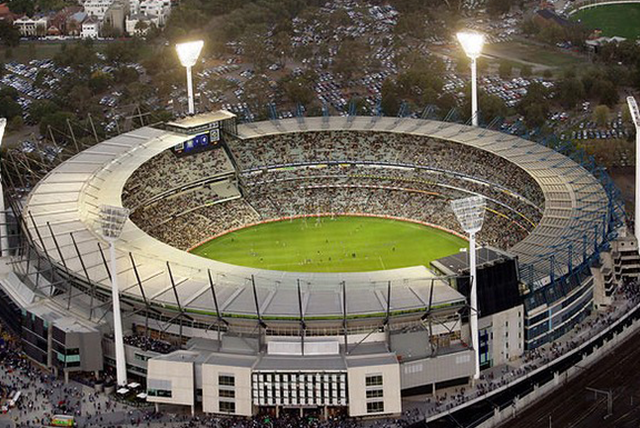
Famous Cricket Stadiums are more than just venues made of concrete and grass. They are living witnesses to cricket’s most emotional victories, heartbreaking defeats, and record-breaking performances. Every boundary cheered, every wicket celebrated, and every silence after a dramatic moment adds another layer to the legacy of these grounds.
Cricket lovers often remember matches not just by the scoreline but by where they were played. The atmosphere, crowd energy, pitch behavior, and even the surrounding city become part of the memory. From timeless Test battles to electric T20 nights, stadiums play a crucial role in shaping how the game unfolds.
Across continents, legendary stadiums have hosted cricket’s biggest names and unforgettable moments. Players like Sachin Tendulkar, Sir Don Bradman, Brian Lara, and Virat Kohli have all left their imprint on iconic grounds that continue to inspire generations.
The Global Importance of Famous Cricket Stadiums
Cricket stadiums hold cultural value beyond sport. They act as national symbols, tourism landmarks, and emotional spaces for fans. In countries like India, England, Australia, and South Africa, stadiums are often treated with the same respect as historical monuments.
The pitch conditions, boundary dimensions, and crowd behavior at different grounds create unique challenges for teams. This diversity is what makes international cricket fascinating. A hundred scored at Lord’s carries a different weight than one at the MCG or Eden Gardens.
For players, performing well at iconic venues often defines careers. For fans, visiting these stadiums is a dream experience that connects them directly to cricketing history.
Iconic Stadiums That Shaped Cricket History
| Stadium Name | Location | Capacity | Established | Notable Moments |
|---|---|---|---|---|
| Lord’s Cricket Ground | London, England | 31,100 | 1814 | Ashes classics, World Cup finals |
| Melbourne Cricket Ground | Melbourne, Australia | 100,000 | 1853 | Boxing Day Tests, 1992 & 2015 WC finals |
| Eden Gardens | Kolkata, India | 68,000 | 1864 | 2001 India vs Australia Test |
| The Oval | London, England | 25,500 | 1845 | First-ever Test match |
| Newlands | Cape Town, South Africa | 25,000 | 1888 | Scenic backdrop, thrilling Tests |
Each of these stadiums has hosted moments that changed the course of cricket history. Lord’s Cricket Ground, often called the “Home of Cricket,” carries unmatched prestige. Scoring a century here is considered one of the highest honors for any cricketer.
The Melbourne Cricket Ground, with its massive capacity, creates an atmosphere unlike any other. The roar of over ninety thousand fans during a Boxing Day Test is an experience players never forget.
Why Famous Cricket Stadiums Influence Match Outcomes
Stadiums are not neutral spaces. Pitch nature, weather patterns, and ground size directly affect strategies. Fast bowlers thrive at grounds with bounce, while spinners dominate on dry surfaces.
At Eden Gardens, the crowd’s intensity often acts as a twelfth player for India. Many visiting teams have struggled under the pressure created by passionate supporters filling every corner of the stadium.
In contrast, English grounds like The Oval and Lord’s challenge batters with swing-friendly conditions, demanding patience and technical skill.
Famous Cricket Stadiums in India and Their Cultural Impact
India is home to some of the most passionate cricket audiences in the world. Stadiums here are not just sporting venues but cultural hubs where emotions run high.
| Stadium Name | City | Capacity | Famous Players | Historic Match |
|---|---|---|---|---|
| Eden Gardens | Kolkata | 68,000 | Sourav Ganguly, Sachin Tendulkar | 2001 Test comeback |
| Wankhede Stadium | Mumbai | 33,000 | Rohit Sharma, Sunil Gavaskar | 2011 World Cup Final |
| M. A. Chidambaram Stadium | Chennai | 38,000 | Anil Kumble, MS Dhoni | Spin-dominated Tests |
| Narendra Modi Stadium | Ahmedabad | 132,000 | Virat Kohli | Largest stadium globally |
| Arun Jaitley Stadium | Delhi | 41,000 | Virender Sehwag | Explosive batting displays |
The Wankhede Stadium will forever be remembered for the night India lifted the 2011 World Cup. That moment alone cemented its place among the most Famous Cricket Stadiums globally.
The Narendra Modi Stadium represents modern cricket infrastructure, combining massive capacity with world-class facilities, redefining how large-scale cricket events are hosted.
Legendary Performances at Historic Grounds
Many cricketing legends are closely associated with specific stadiums. Sachin Tendulkar’s century at the SCG, Brian Lara’s marathon innings at Antigua, and Ben Stokes’ miracle at Headingley are all tied deeply to their venues.
These performances show how stadiums amplify greatness. The pressure of expectation, crowd noise, and historical significance push players to create moments that define eras.
Records set at iconic grounds often carry extra weight because of the difficulty and attention involved.
Famous Cricket Stadiums and Their Role in World Cups
World Cups bring stadiums into the global spotlight. Grounds that host finals or iconic matches become permanently etched into cricket history.
The Melbourne Cricket Ground hosted unforgettable World Cup finals, while Lord’s witnessed dramatic moments that still spark debates among fans decades later.
Indian stadiums have also played central roles in World Cup tournaments, showcasing how home crowds can energize teams and intimidate opponents.
Architectural Evolution of Cricket Stadiums
Early stadiums were simple structures with basic seating. Over time, they evolved into complex arenas with floodlights, media facilities, and advanced drainage systems.
Modern Famous Cricket Stadiums focus on fan experience, player comfort, and broadcast quality. From panoramic views to high-definition screens, technology has transformed how cricket is consumed.
Despite modernization, historic stadiums preserve their original charm, maintaining a balance between tradition and innovation.
Emotional Connection Between Fans and Stadiums
For fans, stadiums are places of personal memory. A first live match, a childhood visit with family, or witnessing a historic win becomes part of life stories.
This emotional bond explains why stadium renovations often face resistance. Fans fear losing the soul of the venue, even if facilities improve.
Such deep attachment reinforces the importance of Famous Cricket Stadiums beyond commercial value.
How Stadium Conditions Shape Player Techniques
Batsmen learn to adapt their footwork based on bounce and pace at different grounds. Bowlers adjust lengths and variations depending on pitch behavior.
Players who succeed across multiple iconic stadiums are often regarded as truly great. Their adaptability reflects deep understanding and experience.
This is why performances at legendary grounds are closely analyzed by experts and fans alike.
The Future of Famous Cricket Stadiums
As cricket continues to evolve, stadiums will play a central role in shaping its future. Sustainability, crowd safety, and digital integration are becoming priorities.
Yet, no matter how advanced facilities become, the essence remains unchanged. The thrill of watching a live contest, the roar after a six, and the silence after a collapse will always define cricket’s magic.
The enduring legacy of Famous Cricket Stadiums lies in their ability to connect generations through shared moments of joy, heartbreak, and pride.
Read also:
green bay packers vs detroit lions match player stats
minnesota timberwolves vs oklahoma city thunder match player stats
philadelphia eagles vs kansas city chiefs match player stats
new york giants vs philadelphia eagles match player stats
afghanistan national cricket team vs bangladesh national cricket team timeline
australian men’s cricket team vs sri lanka national cricket team timeline
zimbabwe national cricket team vs new zealand national cricket team timeline
bangladesh national cricket team vs new zealand national cricket team match scorecard