
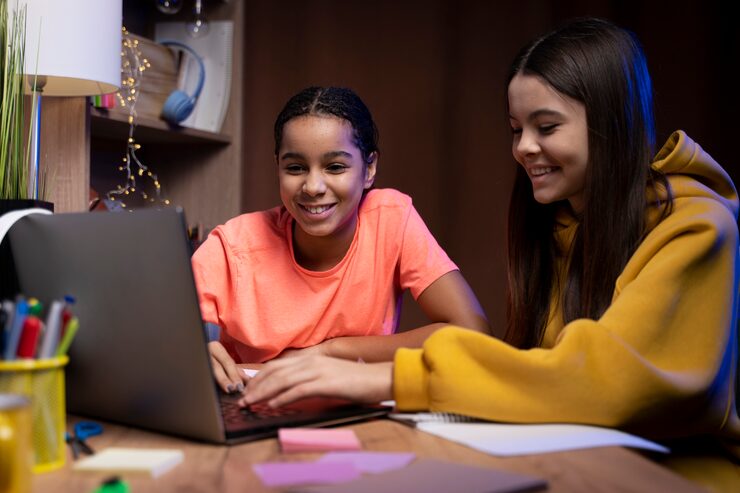
Digital Learning Etiquette is becoming a core part of modern education as more learners transition towards online and hybrid classrooms. Unlike the physical classroom, the virtual environment requires a different set of habits and an extra sense of digital awareness. Students are not just viewers; they are active participants responsible for maintaining a respectful and distraction-free learning space.
In traditional classrooms, etiquette is naturally reinforced by presence, tone, and real-time interaction. However, in virtual spaces, communication depends on clarity, intention, and digital responsibility. When a learner understands the importance of organized participation, they automatically contribute to a smoother and more productive class environment.
How Digital Learning Etiquette Builds Stronger Learning Discipline
When learners follow good behavior practices online, they are not just being polite — they are strengthening self-management skills. This is one of the biggest advantages of Digital Learning Etiquette in today’s academic journey, especially for students who are preparing for higher education or professional fields. Good etiquette online creates a more comfortable environment for teachers and peers, making it easier for everyone to stay focused and engaged.
In a virtual setting, distractions are more common because the student is surrounded by personal devices and casual spaces. Proper etiquette encourages learners to treat online classes with the same respect as face-to-face sessions. Simple habits like muting the microphone at the right time, keeping cameras steady, and using the chat responsibly are part of learning maturity.
Practical Situations That Show the Value of Digital Learning Etiquette
Imagine a group presentation happening in a virtual classroom. One student is actively listening, ready to respond, and participates at the right moment. Another student speaks without waiting for others to finish, interrupts often, or browses other websites while pretending to be present. Even if both are technically present in the session, the difference in learning outcome is huge.
The student who practices good habits experiences smoother communication and stays mentally connected with the topic. They also develop confidence because etiquette naturally improves the quality of interaction. This is why Digital Learning Etiquette is considered essential for long-term online learning success.
Another example is how students handle disagreements or confusion in a class discussion. Polite questioning, respecting speaking turns, and acknowledging other views reflect responsibility. These habits show emotional intelligence, which plays a major role in academic progression and future teamwork scenarios.
How Digital Learning Etiquette Improves Communication Skills
Students who are mindful of how they speak, listen, and gesture during online classes automatically build stronger communication skills. Over time, this makes it easier for them to interact professionally in internships, interviews, or remote work environments. The same learning behavior that helps a student today becomes part of their personal brand tomorrow.
The virtual world is filled with digital cues instead of physical ones. A nod, a short acknowledgment in chat, or waiting before unmuting shows respect without spoken words. These habits create a healthy rhythm in conversation and demonstrate a sense of presence that teachers appreciate.
Practicing Digital Learning Etiquette also helps learners understand timing. Knowing when to speak and when to hold back is one of the foundations of emotional intelligence. It prevents misunderstandings and encourages thoughtful engagement.
The Psychological Impact of Digital Learning Etiquette on Learners
Good digital behavior doesn’t just improve class performance — it enhances self-confidence. When students show up prepared, follow norms, and remain mindful of how their actions affect others, they begin to feel more connected with the learning experience. This connection boosts motivation, making it easier to stay consistent with long-term study goals.
Students often assume that etiquette is only about being polite, but in reality, it is about building self-awareness. The more a learner becomes aware of how they appear in a virtual setting, the more their mindset shifts toward responsibility. And when this shift happens, participation becomes more natural and meaningful.
Strong Digital Learning Etiquette even improves memory retention because structured learners are less distracted. They develop the mental clarity needed for absorbing new information effectively, which is especially important in academic growth.
Read also: