
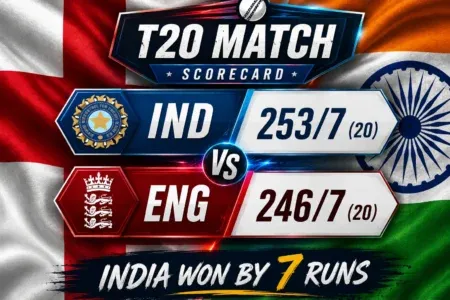
A cricket scorecard records the important numbers that shape an innings. gametracky.com gives readers another place to explore cricket scorecard information and understand what happened during different stages of a match. The final result may appear simple, but several smaller events can explain why one team eventually gained an advantage. Batting partnerships, wicket timing, scoring rates, bowling spells, extras, and remaining resources can all influence the direction of a game. Learning how these details connect makes scorecards much more useful for readers who want to understand matches beyond the final winning margin.
Watch Early Wicket Timing
Early wickets can influence an innings before the batting side has established a stable scoring pattern. Losing an opener during the first few overs may force another batter to change the original approach. A second quick dismissal can create additional pressure because the middle order enters earlier than expected. Scorecards help readers identify these moments by showing individual dismissals and the team total at each stage. The exact timing becomes more meaningful when compared with the eventual innings total. A team recovering from early wickets may have required an important partnership later, while another side may have continued losing wickets and struggled to build momentum.
Study Partnership Contributions
Partnerships can explain how teams recover from difficult periods or accelerate after establishing control. A large partnership between two batters may account for a significant part of the final innings total. Smaller partnerships can also become important when the batting side has already lost several wickets. Scorecards allow readers to connect partnership runs with the fall of wickets and individual batting performances. This makes it easier to understand whether a team depended on one major stand or received useful contributions throughout the innings. Partnership information becomes particularly valuable when the final score looks competitive but the batting section shows that most runs came from only a few players.
Compare Scoring Phases
Runs are rarely scored at exactly the same pace throughout a limited overs innings. Teams may begin carefully, increase scoring during the middle overs, and attempt another acceleration near the end. A scorecard can provide useful clues about these changes through runs, balls faced, boundaries, and overall run rate. Comparing different stages helps readers understand when the batting side gained momentum. A team scoring quickly at the end may have recovered from a slow beginning, while another may have started strongly before losing wickets and slowing down. These differences can explain why similar final totals were produced through completely different innings patterns.
Check Boundary Contributions
Boundaries can reveal how a batter or team generated runs during an innings. A player scoring fifty runs with several boundaries may have relied on aggressive stroke play, while another player reaching the same total may have accumulated runs through singles and twos. Scorecards normally show fours and sixes alongside individual batting figures. Looking at these numbers can therefore add useful context to the total runs. Boundary counts should not be treated as a complete measure of batting quality because match conditions and responsibilities vary. However, they can help readers understand how quickly certain players contributed to the overall scoring effort.
Review Bowling Pressure
Bowling figures can reveal pressure even when wickets are not falling frequently. A bowler who concedes very few runs can restrict the batting side and make aggressive scoring more difficult for other batters. Economy rate, maidens, overs, runs conceded, and wickets should therefore be considered together. One bowler may attack for wickets while another focuses on limiting scoring from the opposite end. This combination can create pressure that eventually leads to mistakes from batters. A scorecard cannot show every tactical detail, but bowling figures can provide useful evidence about which periods were difficult for the batting team.
Notice Middle Overs Changes
The middle overs can sometimes determine whether an innings remains under control or begins to accelerate. Batters may rotate the strike carefully while waiting for opportunities, while bowlers try to prevent easy boundaries. A scorecard showing moderate scoring during this period may not indicate a problem if wickets remain available for a later acceleration. Conversely, losing several wickets during these overs can make a strong finish much harder. Readers can compare batting contributions, partnerships, wickets, and bowling figures to understand what happened during this part of the innings. Middle overs often provide important context between the opening phase and final acceleration.
Examine Final Over Scoring
The final overs of a limited overs innings can significantly change the total because teams often increase their attacking approach. Batters may take greater risks, while bowlers attempt to protect boundaries and limit scoring opportunities. Scorecards can show the final contributions through boundaries, individual runs, and the overall innings total. A strong finish can turn a moderate score into a competitive one, while several wickets may prevent a team from reaching its expected total. Readers should compare the final scoring period with the earlier innings rather than judging it separately. The value of late runs depends on how many resources remained available before the final overs began.
Consider Wickets In Hand
Wickets remaining represent an important resource during limited overs matches. A team with several wickets available can often take greater risks because another batter remains available if an attacking shot results in dismissal. A side with only one or two wickets remaining may need to change its approach and protect the remaining players. Scorecards allow readers to see how many wickets were lost while considering the number of overs still available. This becomes especially useful when comparing two teams chasing similar targets. The same required scoring rate can feel very different depending on how many wickets each side has available.
Understand Chase Pressure
During a run chase, the scorecard provides several numbers that should be considered together. The target, current score, wickets lost, overs completed, and remaining runs all describe different parts of the situation. Required run rate can also show how quickly the chasing team needs to score. A side may appear close to the target while still facing considerable pressure because only a few wickets remain. Another team may need many runs but have plenty of wickets and overs available. Looking at these details together helps readers understand why some chases suddenly become difficult even when the target initially seemed manageable.
Compare Winning Contributions
The winning team does not always depend on the player with the highest individual score. A batter may provide a steady foundation, while another player accelerates later. Similarly, one bowler may take wickets while another prevents scoring during important overs. Comparing the complete scorecard helps readers identify these different contributions. This prevents the common mistake of judging the entire match through one impressive statistic. Team victories usually develop through several connected performances rather than one number. Scorecards provide a useful way to identify how those contributions combined to influence the final result.
Conclusion
Cricket scorecards reveal match turning points when readers connect individual statistics with the wider innings situation. Early wickets, partnerships, scoring phases, boundaries, bowling pressure, middle overs, final acceleration, wickets in hand, and chase requirements can all explain important changes. gametracky.com can provide additional cricket scorecard information for readers who want to explore these match details more closely. The final score remains important, but it rarely explains the complete story by itself. Reading different scorecard sections together allows fans to understand how pressure developed, when momentum shifted, and which contributions helped determine the eventual result.
Read also :-