
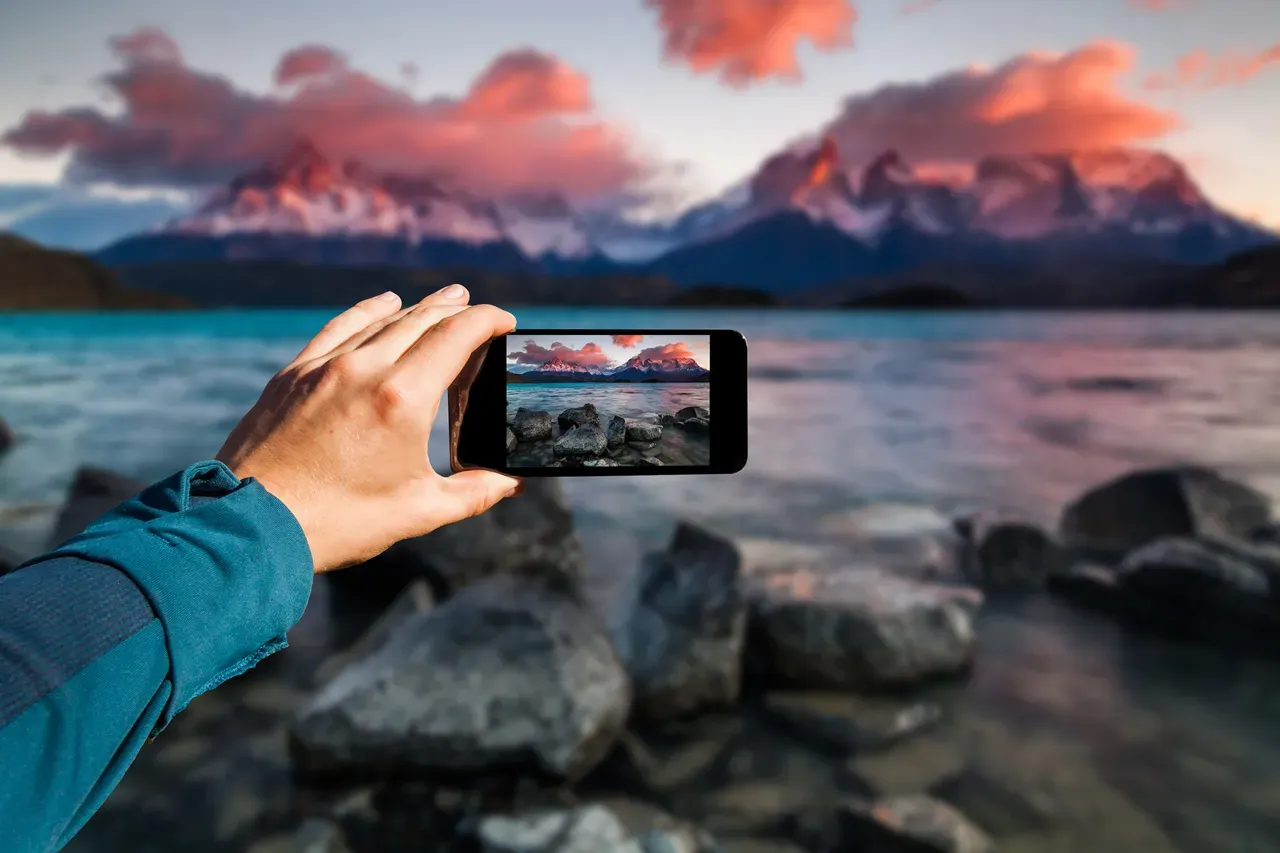
AI Camera Smartphones have quietly changed how people capture memories, tell stories, and even build personal brands. The first time someone notices their phone automatically adjusting lighting, sharpening faces, and balancing colors without manual effort, it feels almost magical. That moment marks a shift from simple camera hardware to intelligent photography experiences driven by artificial intelligence.
Smartphone cameras were once judged mainly by megapixels. Today, intelligence matters more than numbers. AI now works behind the scenes, learning how scenes look, how faces should appear, and how light behaves in different environments. The result is photography that feels effortless but looks thoughtfully crafted.
From Simple Cameras to Intelligent Vision
Early smartphone cameras relied heavily on fixed settings and user input. Photos taken in poor lighting or motion-heavy scenes often ended in disappointment. As competition grew, manufacturers realized that hardware alone could not solve every challenge.
Artificial intelligence became the missing piece. By analyzing millions of images, AI systems learned patterns that help predict the best camera settings in real time. This evolution transformed smartphones into intelligent visual tools rather than simple capture devices.
Today, many users no longer think about camera settings at all. They simply point, tap, and trust the phone to do the thinking.
How AI Understands a Scene Instantly
One of the most impressive abilities of modern camera systems is scene recognition. Within milliseconds, the phone identifies whether you are photographing food, landscapes, portraits, pets, or night skies. Based on that recognition, it adjusts exposure, color temperature, contrast, and focus.
This intelligence is especially noticeable during everyday moments. A quick photo of a sunset suddenly looks balanced instead of washed out. A picture taken indoors retains natural skin tones instead of harsh shadows. These improvements feel subtle but add up to consistently better results.
AI Camera Smartphones and Low-Light Photography
Low-light photography was once a major weakness of smartphones. Grainy textures, blurred subjects, and dull colors were common frustrations. AI-powered night modes changed that narrative completely.
By capturing multiple frames and intelligently merging them, phones now create brighter, clearer images without requiring tripods or manual controls. AI analyzes motion, light sources, and depth to produce photos that feel surprisingly natural.
People often share stories of capturing night cityscapes or candlelit dinners that look closer to what their eyes saw than what older phones could manage. This ability has expanded when and how people take photos.
Portrait Photography That Feels Professional
Portrait modes have become one of the most popular features in modern smartphones. AI-driven depth mapping allows phones to separate subjects from backgrounds with impressive accuracy.
Hair strands, glasses, and subtle facial contours are now handled far better than in earlier attempts. The background blur looks smoother and more realistic, mimicking professional lenses. For social media users and content creators, this has been a game-changer.
What once required dedicated cameras and editing software can now be achieved in seconds, directly from a phone.
Video Recording Gets Smarter Too
AI is not limited to still photography. Video recording has also benefited from intelligent processing. Features like real-time stabilization, face tracking, and dynamic exposure adjustments make handheld videos look smoother and more cinematic.
Vloggers and casual creators appreciate how phones now adapt to movement and changing light automatically. Walking through busy streets or recording spontaneous moments no longer results in shaky or poorly exposed footage.
This level of reliability encourages creativity without technical hesitation.
Real-Life Use Cases That Matter
The true value of intelligent cameras becomes clear in real-world scenarios. Parents capturing children at play, travelers documenting unfamiliar places, or professionals recording quick product shots all benefit from AI assistance.
In fast-moving situations, there is rarely time to adjust settings. AI ensures that fleeting moments are captured with clarity and balance. This reliability builds emotional trust between users and their devices.
Over time, people stop worrying about whether a photo will turn out well. They simply focus on the moment.
The Role of Machine Learning in Image Quality
Machine learning allows smartphones to improve continuously. Software updates refine image processing without changing hardware. This means a phone’s camera can actually get better over time.
Manufacturers train models using diverse datasets, improving performance across different skin tones, lighting conditions, and environments. This inclusivity is crucial for global users who expect consistent results regardless of context.
Trust grows when users see that their phone adapts and improves instead of becoming outdated quickly.
AI Camera Smartphones and Social Media Culture
Social media has amplified the importance of mobile photography. Images are shared instantly and judged visually. AI-enhanced cameras help users present their best moments without excessive editing.
Features like automatic color grading, face enhancement, and smart cropping save time and reduce the need for third-party apps. For many, the smartphone camera has become the primary creative tool.
This accessibility has democratized content creation, allowing anyone to tell compelling visual stories.
Ethical Considerations and Authenticity
As AI becomes more powerful, questions about authenticity arise. Some users worry that photos may look too processed or unrealistic. Manufacturers now aim for balance, enhancing images without distorting reality.
Transparency settings and adjustable AI strength give users control over how much processing is applied. This flexibility respects individual preferences and preserves trust.
Authentic representation remains important, especially in portrait photography.
Battery Efficiency and Performance Balance
AI processing requires power, but modern chipsets are designed to handle these tasks efficiently. Dedicated neural processing units reduce battery drain while maintaining performance.
Users benefit from advanced features without sacrificing daily usability. Long photography sessions or video recordings no longer come with heavy battery penalties.
This balance is essential for phones meant to support all-day use.
Choosing the Right Camera-Focused Smartphone
Not all AI camera systems are equal. Some excel in photography, others in video, and some balance both. Understanding personal needs helps guide better choices.
People who travel frequently may value low-light and stabilization features. Social media creators may prioritize portrait accuracy and video quality. Casual users may simply want reliable, natural-looking photos.
The best phone is one that quietly delivers consistent results without demanding technical knowledge.
The Future Direction of Mobile Photography
Innovation continues to push boundaries. Future developments may include real-time background replacement, advanced object removal, and even predictive photography that anticipates moments before they happen.
As AI becomes more integrated, smartphones will increasingly act as creative partners rather than passive tools. The focus will shift from capturing images to crafting visual experiences effortlessly.
This evolution reflects how deeply smartphones are woven into daily life.
Long-Term Impact of AI Camera Smartphones
The long-term impact of AI Camera Smartphones goes beyond better photos. They shape how memories are preserved, how stories are shared, and how creativity is expressed. Photography becomes less about technical skill and more about perspective and timing.
As technology matures, the gap between professional and mobile photography continues to narrow. For most people, the phone in their pocket is now the most powerful camera they will ever need.
This shift represents not just technological progress, but a cultural change in how the world sees and records itself.
Read also: