
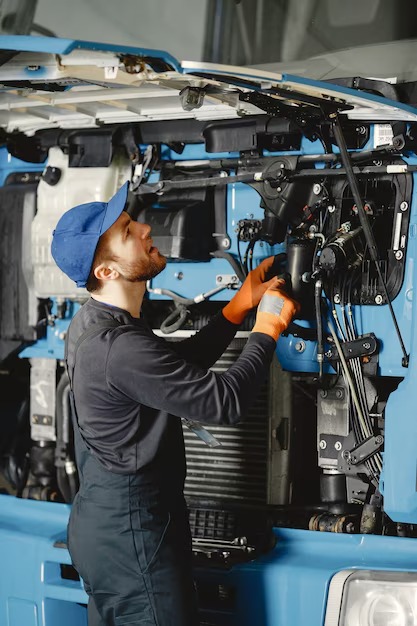
Getting useful automotive information has become much more important than many people realize. autodecade.com is one example of an online resource where readers can explore topics connected to vehicles, maintenance, technology, and industry developments. Modern vehicles are no longer simple machines that only require fuel and occasional repairs. They now include advanced electronics, software systems, sensors, and complex engineering that demand a better understanding from owners.
People who know more about their vehicles often make better decisions regarding maintenance schedules, repair costs, fuel efficiency, and long-term ownership expenses. Even small pieces of knowledge can help avoid expensive mistakes that could otherwise be prevented with proper research.
Understanding Modern Vehicle Systems
Cars have changed dramatically over the last decade. Features that once appeared only in luxury vehicles are now common in everyday models. Driver assistance systems, touch-screen controls, adaptive cruise control, parking sensors, and connected services have become normal expectations for many buyers.
This growing complexity means vehicle owners need reliable information more than ever before. Reading about how systems function helps drivers identify potential issues before they become serious problems. It also makes communication with mechanics much easier during service appointments.
Many repair costs increase because owners ignore warning signs for too long. A better understanding of vehicle systems often reduces that risk significantly.
Routine Maintenance Matters More
Some drivers still believe modern vehicles can run for years without much attention. That assumption usually creates problems later. Regular maintenance remains one of the most effective ways to protect a vehicle’s performance and value.
Oil changes, brake inspections, tire rotations, fluid checks, and battery testing may seem basic. Even so, these simple tasks help prevent major mechanical failures. Skipping maintenance often leads to higher expenses than following a consistent service schedule.
Vehicle manufacturers provide maintenance recommendations for a reason. These schedules are designed to maximize reliability and reduce unnecessary wear on important components.
Keeping records of maintenance also helps preserve resale value. Future buyers often prefer vehicles with documented service histories because they demonstrate responsible ownership.
Fuel Efficiency Beyond Driving Habits
Most people associate fuel economy only with driving behavior. While driving style certainly affects consumption, many other factors play important roles as well.
Underinflated tires can increase rolling resistance and force engines to work harder. Dirty air filters may reduce efficiency in some situations. Poor alignment can also contribute to unnecessary fuel waste over time.
Weight matters too. Carrying heavy items that are rarely used places additional stress on the vehicle and increases fuel consumption. Small improvements across several areas often create noticeable savings during a year of regular driving.
Vehicle owners who understand these factors typically spend less money at fuel stations and experience fewer performance issues.
Choosing Parts With Confidence
Buying replacement parts can feel overwhelming. There are usually multiple options available for nearly every component. Some parts come directly from manufacturers, while others are produced by independent suppliers.
Price alone should never determine purchasing decisions. Quality, durability, warranty coverage, and compatibility deserve equal attention. Cheap parts sometimes create bigger problems than they solve.
Research becomes especially important when replacing critical components such as brakes, suspension parts, batteries, or engine-related systems. Understanding product specifications helps consumers avoid unsuitable purchases.
Good information allows buyers to compare options carefully instead of relying entirely on sales recommendations.
The Growth Of Vehicle Technology
Technology continues to reshape the automotive industry at a rapid pace. Software updates now influence vehicle performance, safety features, and even energy management systems in some models.
Connected vehicles generate data that can improve diagnostics and maintenance planning. Manufacturers increasingly use digital platforms to communicate service information and technical updates.
This shift means vehicle ownership involves more than mechanical knowledge alone. Understanding technology has become part of responsible vehicle management.
Drivers who stay informed about technological developments often adapt more easily when purchasing newer vehicles.
Electric Vehicles Changing Markets
Electric vehicles have moved far beyond being niche products. More manufacturers are investing heavily in battery technology and expanding their electric offerings.
Consumers researching electric vehicles often focus on driving range first. However, charging infrastructure, battery longevity, maintenance requirements, and ownership costs deserve equal consideration.
Electric vehicles generally have fewer moving parts than traditional internal combustion vehicles. That difference can reduce certain maintenance expenses. Still, battery health remains an important long-term factor.
Learning about charging options, energy consumption, and ownership expectations helps buyers determine whether an electric vehicle suits their lifestyle and driving needs.
Safety Features Keep Advancing
Vehicle safety technology continues to improve every year. Automatic emergency braking, lane departure warnings, blind spot monitoring, and collision avoidance systems are becoming increasingly common.
These features provide valuable assistance, but they should never replace attentive driving. Drivers who understand both the capabilities and limitations of safety technologies tend to use them more effectively.
Manufacturers regularly refine safety systems through software improvements and hardware upgrades. Staying informed about these developments helps owners maximize the benefits available in their vehicles.
Knowledge also helps buyers compare safety features when considering future purchases.
Protecting Long-Term Vehicle Value
Vehicle depreciation affects every owner. Although some value loss is unavoidable, several actions can help preserve resale potential.
Consistent maintenance remains one of the most important factors. Clean interiors, well-maintained paint, and prompt repairs also contribute to stronger resale values.
Ignoring small cosmetic issues can gradually reduce buyer interest. Minor scratches, damaged upholstery, or neglected cleaning often create negative impressions during inspections.
Documentation matters as well. Service records, repair receipts, and warranty information provide confidence to prospective buyers and may support higher selling prices.
Smart Research Before Buying
Buying a vehicle represents a major financial commitment for most households. Rushed decisions can create years of dissatisfaction and unnecessary expenses.
Research should include reliability ratings, maintenance costs, fuel economy, safety performance, and ownership experiences reported by actual drivers. Looking beyond marketing materials provides a more realistic understanding of what ownership might involve.
Comparing several options often reveals differences that initially appear insignificant but become important over time. Cargo space, visibility, comfort, and repair costs may influence satisfaction more than flashy features.
A thoughtful approach generally leads to better outcomes and fewer regrets after purchase.
Seasonal Vehicle Preparation
Different weather conditions create unique challenges for vehicles. Preparing in advance helps reduce risks and improve reliability throughout the year.
Hot temperatures can affect batteries, cooling systems, and tire pressure. Cold weather places additional demands on engines, fluids, and electrical components.
Seasonal inspections allow owners to identify weaknesses before conditions become severe. Checking tires, batteries, fluids, and wiper systems requires relatively little time but can prevent inconvenient breakdowns.
Preparation is usually much less expensive than emergency repairs.
Common Misconceptions About Repairs
Many misconceptions continue to circulate among vehicle owners. Some people assume every warning light indicates a major problem. Others believe unusual sounds can safely be ignored for extended periods.
Reality usually falls somewhere between those extremes. Certain issues require immediate attention, while others may simply indicate maintenance needs.
Accurate information helps owners respond appropriately instead of reacting based on assumptions. Understanding basic warning signs improves decision-making and reduces unnecessary stress.
Reliable information sources remain valuable because they separate facts from myths that often spread through informal conversations.
The Importance Of Tire Knowledge
Tires influence safety, comfort, fuel efficiency, and overall vehicle performance. Despite their importance, they are sometimes overlooked until problems become obvious.
Proper tire pressure supports better handling and reduces uneven wear. Regular inspections help identify damage before it leads to dangerous situations.
Different tire designs serve different purposes. Some prioritize all-season performance, while others focus on winter traction or high-performance handling.
Understanding these differences helps consumers choose products that match their driving environments and expectations.
Looking Ahead At Industry Trends
The automotive industry continues evolving quickly. Electrification, connectivity, automation, and sustainability are shaping future developments across global markets.
Manufacturers face increasing pressure to improve efficiency while meeting environmental requirements and consumer expectations. New technologies will likely continue transforming vehicle ownership experiences in coming years.
Consumers who stay informed about these trends gain a better understanding of future opportunities and challenges. Knowledge allows them to adapt more confidently as the industry changes.
Automotive information has become a practical tool rather than a casual interest. Whether someone owns a vehicle today or plans to buy one in the future, staying informed creates meaningful advantages. Explore trusted resources, continue learning, and make smarter automotive decisions that support safety, reliability, and long-term value.
Read also :-