
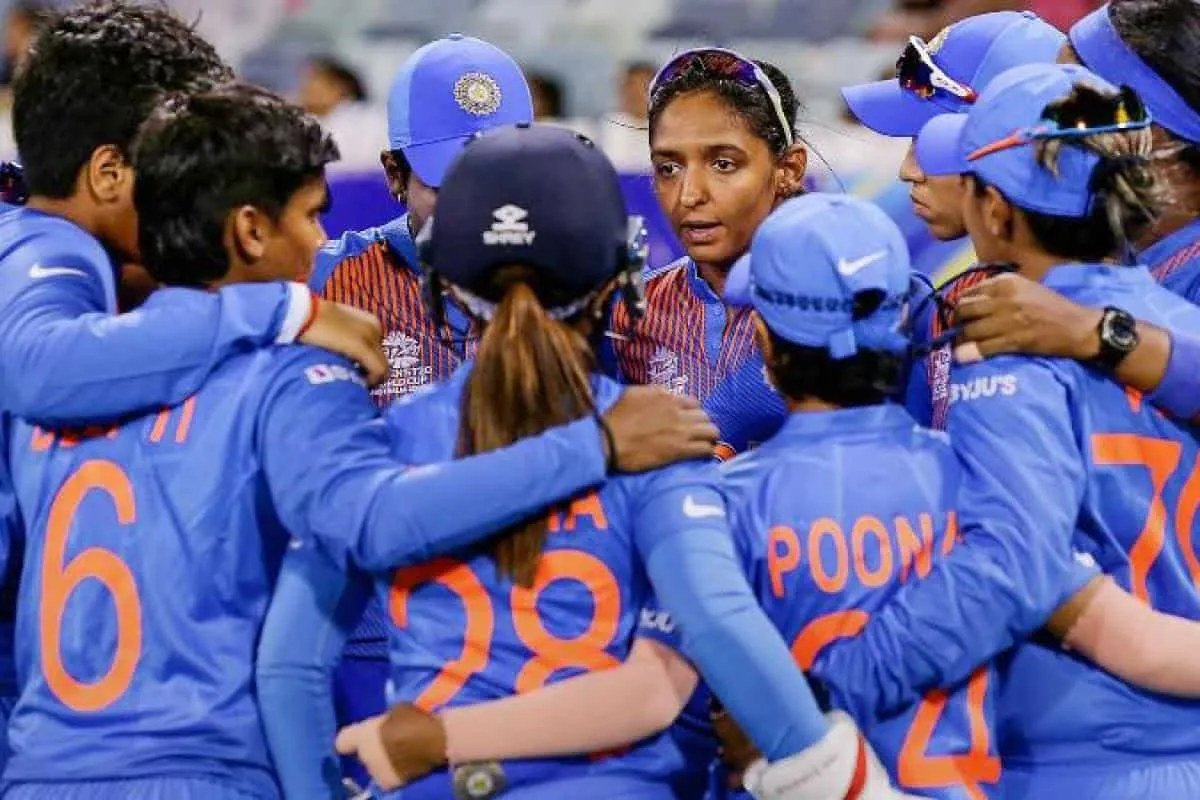
Women’s T20 rankings update discussions have become must-read content for cricket fans who follow the fastest-growing segment of the game. What once felt like occasional headlines has now evolved into a fiercely competitive global narrative.
Every bilateral series, every ICC tournament, and even franchise performances can influence rankings. Teams are no longer static in their positions. One dominant series win can shake the order entirely.
The modern Women’s T20 landscape is dynamic, data-driven, and intensely competitive. Understanding how rankings shift gives fans deeper insight into performance trends and future tournament predictions.
How the ICC Calculates Women’s T20 Rankings
The official rankings are governed by the International Cricket Council.
Each team earns rating points based on match results, opponent strength, and series outcomes. Recent performances carry more weight than older results, ensuring the table reflects current form.
This rolling system rewards consistency over time rather than isolated victories.
That’s why every Women’s T20 rankings update feels earned, not accidental.
Current Powerhouses in the Women’s T20 Rankings Update
The Australia women’s national cricket team has long dominated the format. Their depth, aggressive batting, and disciplined bowling attack make them perennial leaders.
However, the India women’s national cricket team and England women’s national cricket team have steadily narrowed the gap with strong home and away performances.
These competitive margins ensure that every Women’s T20 rankings update sparks debates among analysts and fans alike.
Key Players Driving the Women’s T20 Rankings Update
Individual brilliance often shifts team momentum.
Alyssa Healy continues to influence matches at the top of the order with fearless stroke play.
Smriti Mandhana brings elegance and consistency, anchoring innings under pressure.
When these players deliver match-winning performances, the ripple effect is visible in every Women’s T20 rankings update announcement.
Emerging Teams on the Rise
The rankings aren’t just about established giants.
Nations like South Africa women’s national cricket team and New Zealand women’s national cricket team have shown impressive growth in recent series.
Their improved fitness standards and tactical clarity have helped close the gap with top-tier sides.
This upward mobility adds excitement to each Women’s T20 rankings update, making the table more competitive year after year.
Impact of ICC Tournaments on Rankings
Major tournaments such as the ICC Women’s T20 World Cup can dramatically influence rankings.
A semifinal appearance or title win provides significant rating boosts.
Conversely, early exits can cost top teams valuable points.
Tournament performances often trigger the most dramatic shifts in any Women’s T20 rankings update cycle.
Franchise Cricket’s Influence
The rise of franchise leagues like the Women’s Premier League has enhanced skill development across nations.
Players gain exposure to diverse conditions, advanced coaching, and high-pressure matches.
These experiences translate into improved international performances.
As a result, franchise success indirectly shapes every Women’s T20 rankings update by elevating overall competitiveness.
Batting Trends Shaping Rankings
Modern Women’s T20 cricket emphasizes aggressive powerplay scoring.
Teams targeting 160-plus totals regularly now pressure opponents from the first over.
Strike rates and boundary percentages have become crucial metrics in performance evaluation.
Such statistical trends play a role in understanding fluctuations seen in each Women’s T20 rankings update.
Bowling Depth and Defensive Strength
Strong bowling units often decide tight T20 contests.
Teams that defend totals consistently gain ranking stability.
Disciplined death-over execution can swing close games, influencing rating calculations.
These defensive strengths often determine upward or downward movement in a Women’s T20 rankings update cycle.
Home Advantage vs Overseas Success
Winning away from home carries added significance in rankings.
Adapting to unfamiliar pitches and climates demonstrates resilience.
Teams with balanced overseas records often climb faster.
The ICC’s weighted system ensures that every Women’s T20 rankings update rewards adaptability as much as dominance.
Youth Development and Grassroots Investment
Long-term ranking success begins at grassroots level.
Countries investing in under-19 programs and domestic structures create sustainable pipelines.
The ICC Under-19 Women’s T20 World Cup has become a stepping stone for future stars.
These developmental systems contribute directly to improvements reflected in the Women’s T20 rankings update each season.
Data Analytics and Performance Review
Modern teams rely heavily on performance analytics.
Matchups, strike zones, and bowling variations are studied meticulously.
Coaches use this data to refine strategy between series.
This analytical approach enhances team efficiency, influencing every Women’s T20 rankings update outcome.
Leadership and Team Culture
Strong leadership often stabilizes rankings.
Captains who balance aggression with composure foster winning cultures.
A cohesive dressing room translates into consistent results across series.
Leadership impact is often visible when reviewing patterns within the Women’s T20 rankings update history.
Media Coverage and Growing Visibility
Media attention around women’s cricket has expanded dramatically.
Broadcast deals and sponsorships have increased exposure worldwide.
Greater visibility fuels fan engagement and investment in the sport.
This growth amplifies interest in every Women’s T20 rankings update, making it headline-worthy news.
Challenges Facing Lower-Ranked Teams
Resource gaps remain a challenge for emerging cricket nations.
Limited domestic structures and fewer international fixtures affect ranking potential.
However, targeted development programs are bridging this divide.
Improvements in infrastructure could reshape future Women’s T20 rankings update tables dramatically.
Player Rankings vs Team Rankings
Individual player rankings often influence team momentum.
A top-ranked batter or bowler provides stability in high-pressure matches.
Consistency at individual level strengthens overall team performance.
Both aspects intertwine within the broader context of a Women’s T20 rankings update discussion.
Fan Engagement and Social Media Impact
Fans actively track ranking shifts through social media platforms.
Celebrations, debates, and predictions flood timelines after every ICC release.
Interactive graphics and expert commentary simplify complex rating calculations.
Digital engagement ensures each Women’s T20 rankings update resonates far beyond official announcements.
The Competitive Gap Narrowing Globally
The gap between top and mid-tier teams has narrowed significantly.
Upsets are becoming more frequent, signaling improved parity.
This competitiveness enhances the unpredictability of international tournaments.
Such balance ensures that future Women’s T20 rankings update cycles remain dynamic and unpredictable.
Women’s T20 cricket is no longer emerging; it is thriving.
The rankings reflect more than numbers—they capture growth, resilience, and ambition across nations.
Every series, every tournament, and every standout performance contributes to the evolving narrative behind the Women’s T20 rankings update, shaping the global future of the sport.
Read also:
sri lanka national cricket team vs bangladesh national cricket team timeline
rcb ka bap
charlie dean cricket partner
ryan rickelton dates joined
rcb ka baap kon
